

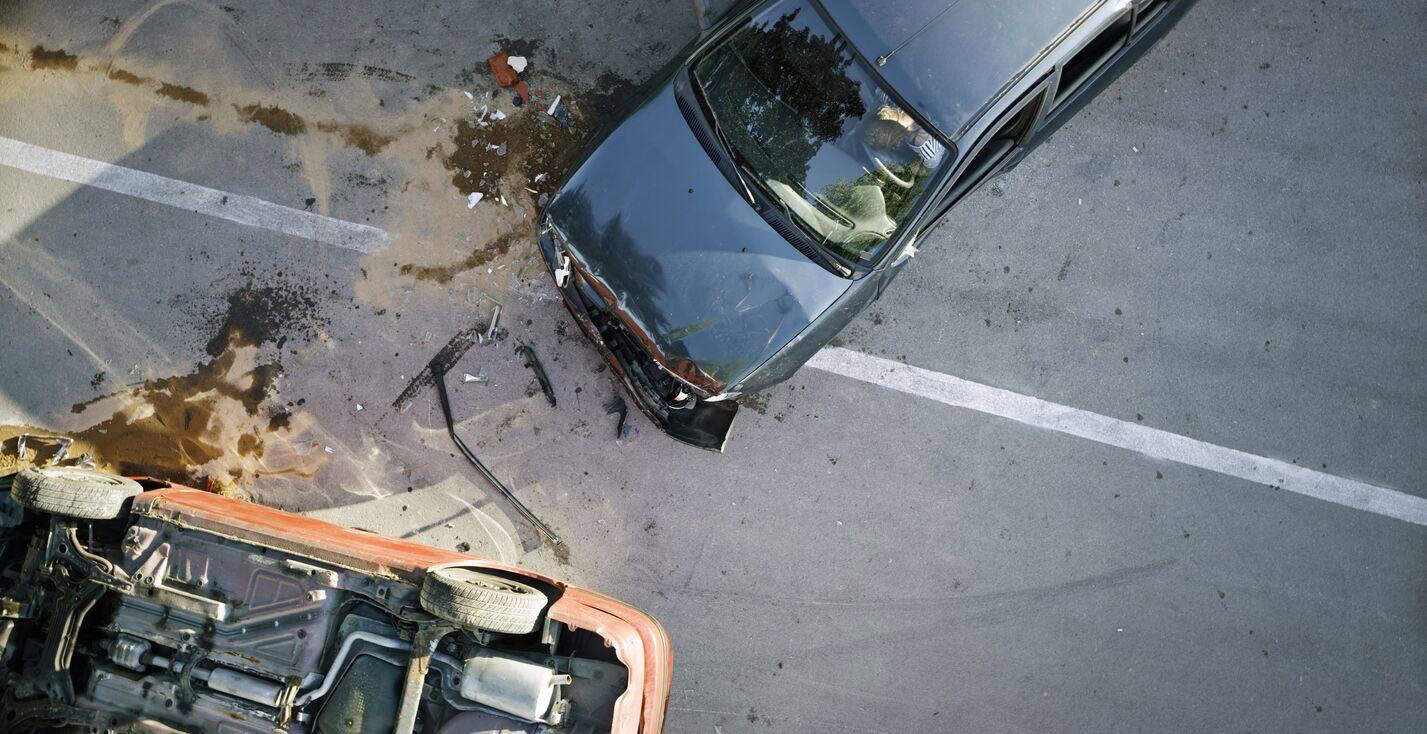
Selling a vehicle is not an effortless task, as a car’s mileage, age, model, and overall condition play a vital role. But a single factor that can significantly affect your car’s trade-in value is accident history. Even if your car runs smoothly and fast after the collision, the accident history reduces the resale value.
Also, people have doubts about selling the wrecked car by itself or whether it should be repaired and put up for sale. The aftermath of an accident is rarely simple. Between the emotional stress, unexpected repair costs, and questions about vehicle safety, it’s easy to feel overwhelmed.
An important part of this reselling process is assessing depreciation post-collision, which assists you in estimating how much value your vehicle has lost due to prior damage. Even professionally repaired vehicles, after a car crash, may be worth less because buyers consider the accident history.
Whether the accident was minor or major, the record will usually show up on a vehicle history report, impacting its marketability and price. So, understanding some important steps and key things before selling a car with an accident history is essential.
What is the Accident History of the Car?
A vehicle, especially a car, involved in a terrific car crash, then the car goes through the accident history, even if the car is subsequently repaired. It generally affects the car’s resale value. Buyers can assess the car’s history and learn about the accident history of the car. Many online platforms or car-selling portals mention the car’s A-to-Z updated details and history.
Key points to understand:
- Severity is important: Damage that purely impacts the resale value less than structural damage or damage to the vehicle’s frame.
- Records of the repair matter: Having repair invoices and receipts gives the buyer peace of mind that the car was fully repaired.
- There are insurance claims: Any time you have filed a claim from an accident, it is probably documented and easily available to buyers.
- Honesty is important: Being true about your car’s history prevents surprises and builds buyer confidence.
Understand the Crucial Steps to Take Before Selling a Car with an Accident History
- Collect and arrange the crucial records related to the car resale process. These preparations can help to maximize the sale value from the depreciation. Gather the car’s invoices, receipts, and insurance claims. This clear documentation proves the repairs were done correctly and builds buyer confidence.
- Get an authorized report for the accident and history of the car so it can sort and find out your buyers and their expectations. Transparency about your car’s history can prevent lowball offers. This report submission to buyers will show the transparency and loyalty of the car seller.
- The entire condition of the car should be properly displayed to buyers, even if it includes tires, brakes, fluids, and general mechanical condition. A well-maintained car, even with prior damage, is more attractive to buyers.
- Keeping the car clean and tidy can make a positive first impression on the car and the sellers. Wash the exterior, vacuum the interior, and remove any minor scratches or dents.
- Visit various dealerships or utilize online appraisal tools to get a prominent and realistic idea of your car’s resale value. Factor in assessing depreciation after the car collision to understand what the car is truly worth.
- Emphasize upgrades, maintaining the low mileage, upgrading to new tires, or recent maintenance. These details help buyers see the value beyond the accident history.
- Present repair records and maintenance receipts. Explain the car accident in a clear, concise way, and be ready to discuss the fair resale value reduction.
Key Takeaways
- A car’s accident history can reduce the resale value of the car during resale, but careful preparation can lessen the unwanted losses.
- Collect and present repair records and vehicle history reports to establish buyer trust.
- Clean, maintain, and highlight your car’s positive features to attract better offers.
- Understand depreciation and market value, using assessing depreciation post-collision as a guide for effective negotiations.

