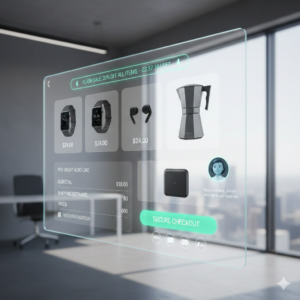
In the bustling world of online shopping, where a plethora of options skulk in the shadows of the internet, waiting to capture your attention, the cart page stands as a critical juncture. Often overlooked, it is this page that holds the power to transform a casual browser into a committed buyer. Perhaps you’ve noticed how some carts seem to effortlessly guide you to complete your purchase, while others leave you feeling lost, like an emergency exit in a dimly lit room, leading to uncertainty rather than safety. Why is this so? The answer lies in the art and science of ecommerce merchandising.
Understanding the Cart Page’s Role in Ecommerce Merchandising
Ecommerce merchandising is not just about displaying products enticingly on a website. It’s about creating a seamless shopping experience that leads to higher conversions. The cart page, often seen as a mere transactional step, plays a pivotal role in this journey. It’s the final frontier where all the elements of merchandising converge to nudge the customer towards making a purchase.
Consider the cart page as an anchylotic joint in the ecommerce body; it needs to be flexible and functional, not rigid and cumbersome. The cart page should seamlessly integrate product details, promotional offers, and a clear path to checkout. This is where your merchandising skills are put to the ultimate test. Are the images compelling? Is the pricing transparent? Is the call to action irresistible? Each element is crucial in persuading a potential customer to finalize their purchase.
Optimizing the Cart Page for Better Conversions
When it comes to optimizing the cart page for better conversions, simplicity and clarity are your best allies. Imagine a scenario where you meticulously add items to your cart, only to be met with a confusing layout that frustrates rather than facilitates. This is akin to an emergency room with no clear signage, leading to confusion and panic.
- Streamlined Design and Navigation
The first step in optimizing your cart page is ensuring a streamlined design. A cluttered cart page can be overwhelming, causing potential buyers to abandon their shopping journey. Use clear, concise language and intuitive navigation to guide users effortlessly. Keep an eye out for unnecessary distractions or information that could confuse or discourage a buyer.
- Transparency in Pricing and Shipping
Nothing is more frustrating than hidden fees. Transparency in pricing, including shipping and taxes, is essential. Display any additional costs upfront. This honesty builds trust, making the buyer more likely to proceed with the purchase. In the world of merchandising ecommerce, trust is a currency that cannot be undervalued.
- Personalization and Recommendations
Leverage data to personalize the cart page experience. Personalized recommendations based on browsing history or previous purchases can be the gentle nudge a customer needs to add more items to their cart. It’s like having a skilled salesperson who knows exactly what you need, making the shopping experience feel tailored and exclusive.
- Urgency and Scarcity
Incorporate elements of urgency and scarcity to encourage quick decision-making. Limited-time offers or stock alerts can create a sense of urgency that propels customers to act swiftly. However, these tactics should be used judiciously to avoid creating a sense of pressure that feels more like an emergency than an opportunity.
- Secure and Flexible Payment Options
Offer multiple, secure payment options to cater to the diverse preferences of your customers. A seamless payment process is crucial in preventing cart abandonment. It’s like ensuring an emergency exit door is not only visible but also easy to open when needed.
The Emotional Impact of a Well-Optimized Cart Page
A well-optimized cart page does more than just increase conversions; it enhances the overall shopping experience. It creates a sense of satisfaction and fulfillment, turning one-time buyers into loyal customers. Imagine the joy of finding exactly what you need, with the checkout process as smooth as silk, leaving you wondering why other online shopping experiences can’t be the same.
Moreover, the cart page is an opportunity to reinforce brand loyalty. By providing an exceptional experience, you create an emotional connection with your customers. They remember the ease and joy of shopping with you, returning for more not just because of the products, but because of the experience itself.
Future Trends in Cart Page Optimization
As technology evolves, so too will the strategies for optimizing cart pages. The future of merchandising in ecommerce lies in the integration of AI and machine learning to predict customer behavior and preferences. Imagine a cart page that anticipates your needs, offering suggestions that feel almost uncanny in their accuracy, like a trusted friend who knows you inside out.
Additionally, the rise of voice search and mobile shopping will influence cart page design, emphasizing simplicity and accessibility. As consumers increasingly shop on the go, the need for a mobile-friendly, responsive cart page will be paramount.
In the world of ecommerce, where choices abound and competition is fierce, optimizing the cart page is not just a necessity; it’s an opportunity. It’s the moment where all your efforts in ecommerce merchandising culminate, and where potential meets reality. By focusing on clarity, transparency, and personalization, you can transform your cart page into a powerful tool for conversion, ensuring that your customers not only complete their purchases but come back for more. The art of merchandising in ecommerce is truly about creating experiences that resonate, and the cart page is where this magic happens.


