Key Takeaways:
- Regular septic system maintenance prevents environmental contamination and protects public health.
- Neglected systems can lead to groundwater pollution, spread diseases, and harm ecosystems.
- Community initiatives and educational programs play a vital role in promoting proper septic care.
The Importance of Septic System Maintenance
Septic systems provide a critical solution for treating wastewater in homes and businesses that are not connected to municipal sewage lines. Consistent care is necessary to ensure these systems continue to operate effectively, as even minor neglect can escalate into significant problems. Regular septic tank pumping helps keep septic tanks functioning efficiently by removing buildup and preventing costly malfunctions.
Proper maintenance not only extends the lifespan of the septic system but also safeguards community water supplies by limiting the risk of pollutants and disease-causing pathogens entering groundwater. This proactive approach is essential for maintaining community well-being and environmental integrity.
As the population grows and suburban development expands, more communities rely on septic systems for wastewater management. Poorly maintained systems can compromise local water sources, affecting both residents and local ecosystems. Encouraging routine care through public education and clear guidelines is a key step in preventing hazardous leaks or system failures.
Homeowners should invest time in understanding how septic systems function and in scheduling regular service visits. This diligence ensures operational efficiency while minimizing risks to health and property values in the surrounding area.
Regular septic tank inspections complement routine pumping to catch potential issues early, preventing larger, costlier problems down the line.
Failure to maintain a septic system can lead to hazardous contamination of soil and local water supplies. As solids accumulate, the tank’s capacity decreases, allowing untreated waste to escape into the environment. This seepage can quickly affect groundwater used for drinking and irrigation, introducing pathogens such as E. coli and viruses into household and agricultural water supplies. Long-term neglect exposes communities to outbreaks of waterborne illness and environmental degradation, harming aquatic life and making public spaces unsafe.
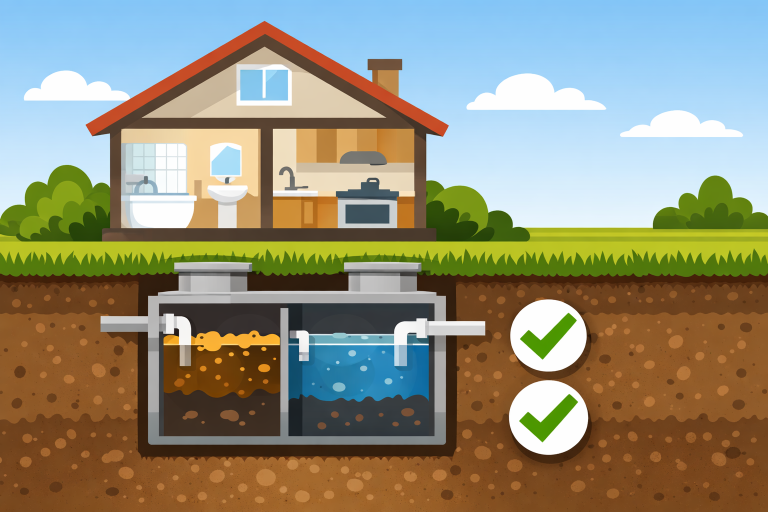
The U.S. Environmental Protection Agency (EPA) highlights that malfunctioning systems can release household toxics such as detergents and solvents, further damaging the environment. Homeowners who stay vigilant with their septic maintenance can avoid these threats and the financial burden of emergency repairs and environmental cleanup.
Best Practices for Septic System Maintenance
- Professional Inspections: Arrange for a certified septic professional to inspect the system every three years and assess for hidden defects or early signs of trouble.
- Pumping Frequency: Pump the tank every 3 to 5 years, depending on system size and household usage, to prevent solids from overflowing.
- Responsible Waste Disposal: Never flush non-biodegradable materials, cooking grease, or hazardous chemicals, as these items interfere with septic processing and clog drainfields.
- Conserving Water: Limit excessive water use, spread out laundry loads, and repair leaks promptly to avoid overwhelming the septic system.
- Protecting the Drainfield: Maintain clear access to the system, avoid heavy vehicles or construction in the area above it, and plant only shallow-rooted vegetation nearby.
Community and Government Initiatives
Various local health departments and community agencies have developed initiatives to support responsible septic maintenance. For instance, the Snohomish County Health Department’s Savvy Septic Program provides financial assistance to eligible homeowners, making regular maintenance more affordable and reducing public health risks. These programs help increase compliance, promote environmental stewardship, and enhance overall community health.
Educational Outreach and Resources
Spreading awareness about the importance of septic care is a powerful preventive tool. Events such as the EPA’s annual SepticSmart Week are designed to provide homeowners with practical advice, answer common questions about wastewater management, and highlight how regular care helps prevent costly repairs. Educational campaigns encourage homeowners to develop habits that support long-term system health and environmental safety.
Financial Support for Septic Maintenance
Recognizing the importance and cost of septic care, some local governments and nonprofits offer financial assistance or rebate programs. The Savvy Septic Program in Snohomish County, Washington, for example, offers rebates and affordable loans for inspections, pumping, and repairs, making it easier for homeowners to stay on top of essential maintenance. This support bolsters public health, particularly for families managing tight household budgets, allowing communities to thrive while protecting critical water resources.
Conclusion
Routine septic system maintenance is an essential duty for homeowners, protecting both personal property and the community at large. Implementing regular inspections, promoting responsible use, and leveraging community and government resources ensure these vital systems run smoothly. Staying proactive can prevent environmental harm, save money, and promote stronger, healthier neighborhoods for generations to come.