Key Takeaways
- Early detection of plumbing issues can prevent major damage.
- Quick action is essential when facing water or gas hazards.
- Some issues require immediate professional assistance.
Plumbing problems can disrupt your daily routine and cause significant damage to your home if left unaddressed. Being prepared for the most frequent plumbing emergencies and understanding the proper steps to take can help you minimize property damage and maintain peace of mind during stressful situations. If you ever face urgent plumbing issues, knowing reputable emergency plumbing resources can make managing the situation much easier. The ability to recognize early signs of trouble, respond swiftly, and know when to call for professional help are all crucial components of effective emergency preparation. Read on for an in-depth guide to managing plumbing emergencies and protecting your home. Timely intervention can lessen the risk of long-term problems and costly repairs. Regular home maintenance and education are the first line of defense against disastrous incidents in your pipes, fixtures, and drainage systems. If you are unsure when to seek expert help, a skilled plumber is crucial for complex or dangerous plumbing emergencies.
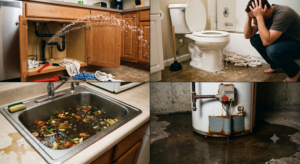
Burst Pipes
Signs
Look for sudden drops in water pressure, unexplained water stains on walls or ceilings, or puddles where you would not expect them. These symptoms often occur in winter, but can occur at any time a pipe is compromised.
What to Do Immediately
- Shut off the main water supply to stop further flooding.
- Open all faucets to drain remaining water from the pipes and reduce pressure.
- Move valuables or furniture away from the affected area to limit damage.
- Contact a plumbing professional as soon as possible.
Preventing burst pipes is possible by insulating exposed plumbing and maintaining indoor temperatures during cold weather.
Clogged Toilets
Signs
Indicators include a higher-than-normal water level after flushing, slow wastewater drainage, or loud gurgling sounds from the fixture.
What to Do Immediately
- Use a plunger to try clearing the clog.
- Do not flush repeatedly; it can cause dangerous overflows.
- For stubborn blockages, a plumbing snake or professional intervention may be required.
Regular toilet maintenance and responsible flushing habits help prevent clogs and keep your plumbing system functioning.
Leaking Water Heaters
Signs
Water pooling at the heater’s base, rust-colored water output, or odd noises during operation suggest a problem. Faulty pressure valves or a corroded tank are often the cause of leaks.
What to Do Immediately
- Turn off the water heater’s power supply (electric or gas) for safety.
- Shut off the cold-water supply to the tank.
- Drain the tank to avoid further flooding.
- Arrange for prompt inspection or replacement by a certified expert.
Make a habit of regular inspections to catch wear and tear on your water heater before major issues develop.
Frozen Pipes
Signs
No water flow from affected taps, visible frost on exposed pipes, or odors emanating from drains point toward frozen plumbing.
What to Do Immediately
- Keep the faucet open so water can flow once thawed.
- Apply gentle heat to the frozen section (hair dryer or heating pad works best).
- Never use an open flame or blowtorch to thaw pipes.
- Seek expert assistance for pipes in difficult-to-reach or dangerous areas.
Insulate pipes during winter and keep your home heated during extreme cold spells to reduce the risk of freezing.
Overflowing Sinks and Bathtubs
Signs
Slow draining, gurgling noises from the drain, or water backing up are all signs of a blockage in your sink or bathtub.
What to Do Immediately
- Try removing visible debris from the drain and use a plunger on stubborn clogs.
- Avoid chemical drain cleaners that can worsen pipe damage and harm your plumbing system.
- If the problem persists or worsens, call for professional assistance.
Prevent issues by regularly cleaning drains and keeping hair, grease, or foreign objects out of sinks and tubs.
Gas Leaks
Signs
A strong odor similar to rotten eggs, hissing sounds near gas lines, or dying vegetation above external pipes signal a possible leak.
What to Do Immediately
- Evacuate your home quickly and do not use electrical switches, phones, or flames.
- Call your gas provider or emergency services from outside the home.
Prevent leaks with periodic maintenance and professional checks of your home’s gas infrastructure.
Sewer System Backup
Signs
Look for raw sewage odors from drains, pooling around lower-level fixtures, or simultaneous clogs in several drains.
What to Do Immediately
- Stop using faucets and drains. This prevents further contamination and damage.
- Contact a qualified plumber immediately to assess and correct the blockage.
To avoid backups, do not flush wipes, feminine products, or non-degradable materials, and schedule routine sewer maintenance.
Leaky Faucets
Signs
Persistent drips, higher water bills, or discoloration around the fixture are common indicators of a leaky faucet.
What to Do Immediately
- Shut off the water leading to the faulty faucet.
- Replace worn washers or seals, or consult a professional for more complex repairs.
Routine upkeep and prompt repairs save water and reduce the risk of associated damage.
The most important part of managing plumbing emergencies is understanding when to act and when to ask for help. Timely, informed decisions protect both your household and your property from avoidable harm.
Conclusion
Plumbing emergencies can escalate quickly, but knowing how to recognize early warning signs and respond appropriately can significantly reduce damage and disruption to your home. From burst pipes and clogged toilets to gas leaks and sewer backups, each situation requires swift action and a clear understanding of safety steps. While some minor issues can be managed temporarily, many plumbing problems demand immediate professional attention to prevent further risks and costly repairs. Regular maintenance, proper usage habits, and seasonal preparedness all play a vital role in minimizing emergencies before they occur. Most importantly, acting quickly and knowing when to call a qualified plumber ensures your home remains safe, functional, and protected. By staying informed and prepared, you can handle unexpected plumbing issues with confidence and safeguard both your property and your peace of mind.